SPECIALIZED AIR FOR PHARMACEUTICAL COMPANIES

In the manufacture of medicines, there is a chain of highly automated processes where industrial robots perform tasks with a precision that would be difficult to achieve manually. Robotic arms that dispense active ingredients, automated systems that seal sterile containers, and optical inspection equipment that validates each batch work continuously in environments where any variation could compromise the final
In this context, specialized air for pharmaceutical companies becomes as important a resource as the pharmaceutical ingredients themselves. The robots involved in manufacturing require specific environmental conditions to operate at peak performance: controlled temperature to prevent mechanical expansion, precise humidity to protect sensors and electronic components, and a level of air cleanliness that prevents the accumulation of particles in high-precision systems. A poorly controlled environment not only reduces the useful life of equipment, but also increases failures, unscheduled downtime, and production deviations.
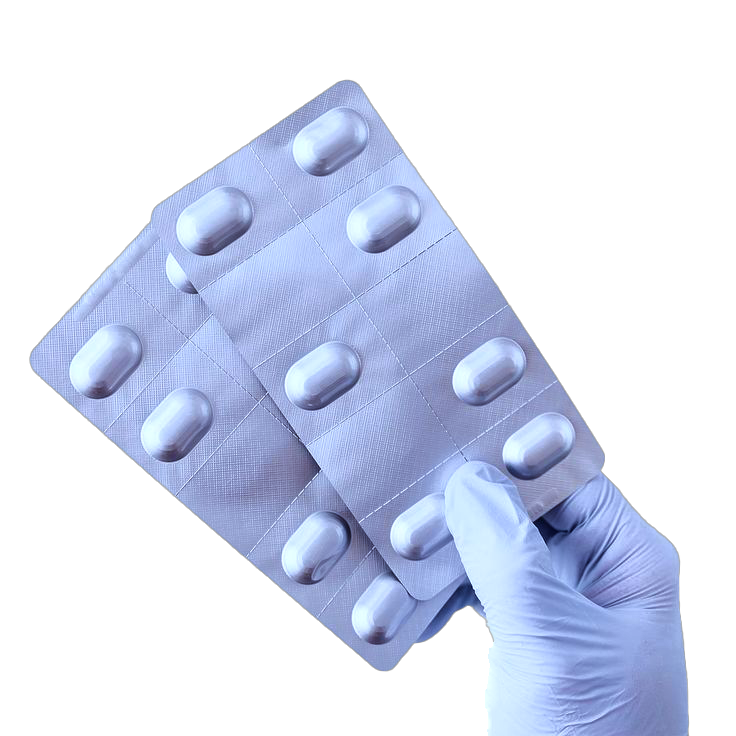
At the same time, medicines in production are extremely sensitive to their environment. During stages such as mixing, aseptic filling, or final packaging, the air must comply with strict classifications for cleanliness, particle control, and differential pressure. The goal is clear: to prevent cross-contamination, protect product sterility, and ensure that each batch complies with regulatory standards. Here, specialized air conditioning systems not only maintain temperature, but also manage airflows, advanced filtration, and positive or negative pressures depending on the laboratory area.
Advanced robotic technology and pharmaceutical products raise the bar even higher. Automated lines operate continuously, generating constant thermal loads and demanding absolute environmental stability. Any change in temperature or humidity can affect the viscosity of a medication, the accuracy of a dosage, or the repeatability of a robotic movement. For this reason, the system design is integrated into the laboratory concept from the outset, aligning with the architecture, processes, and quality standards.

In modern laboratories, controlled air is no longer an add-on; it is part of the production process. It is the element that allows robots to work accurately and medicines to be manufactured under safe, repeatable, and auditable conditions. Understanding this relationship is key for any pharmaceutical facility seeking operational efficiency, regulatory compliance, and, above all, the confidence that every product that goes to market was manufactured in a perfectly controlled environment.

Tel: +52 55-1114-8980
Wa: +52 55 8255 8084


Comments